1 Before you travel · From home
A first answer before you book anything
Send a few photos of your teeth, or a panoramic X-ray if you have one, on WhatsApp or through the form. A dentist reviews them, and our international team replies in your language.
For orthodontics we also ask where you live and how often you can come to Istanbul. Braces and aligners need regular appointments, so this decides whether treatment with us is practical for you.
What we ask you
- Photos of your teeth or a panoramic X-ray
- Your general health and any medication
- What bothers you most about your teeth now
- Which dates could work for you
What you receive
- Your treatment options, explained
- A price range
- The days and visits you would need in Istanbul
- A final plan only after your examination
2 At the clinic · Records and planning
Your records, and a plan built on them
- Examination. Your dentist looks at your teeth, your gums and the way your teeth bite together, and asks what you would like to change.
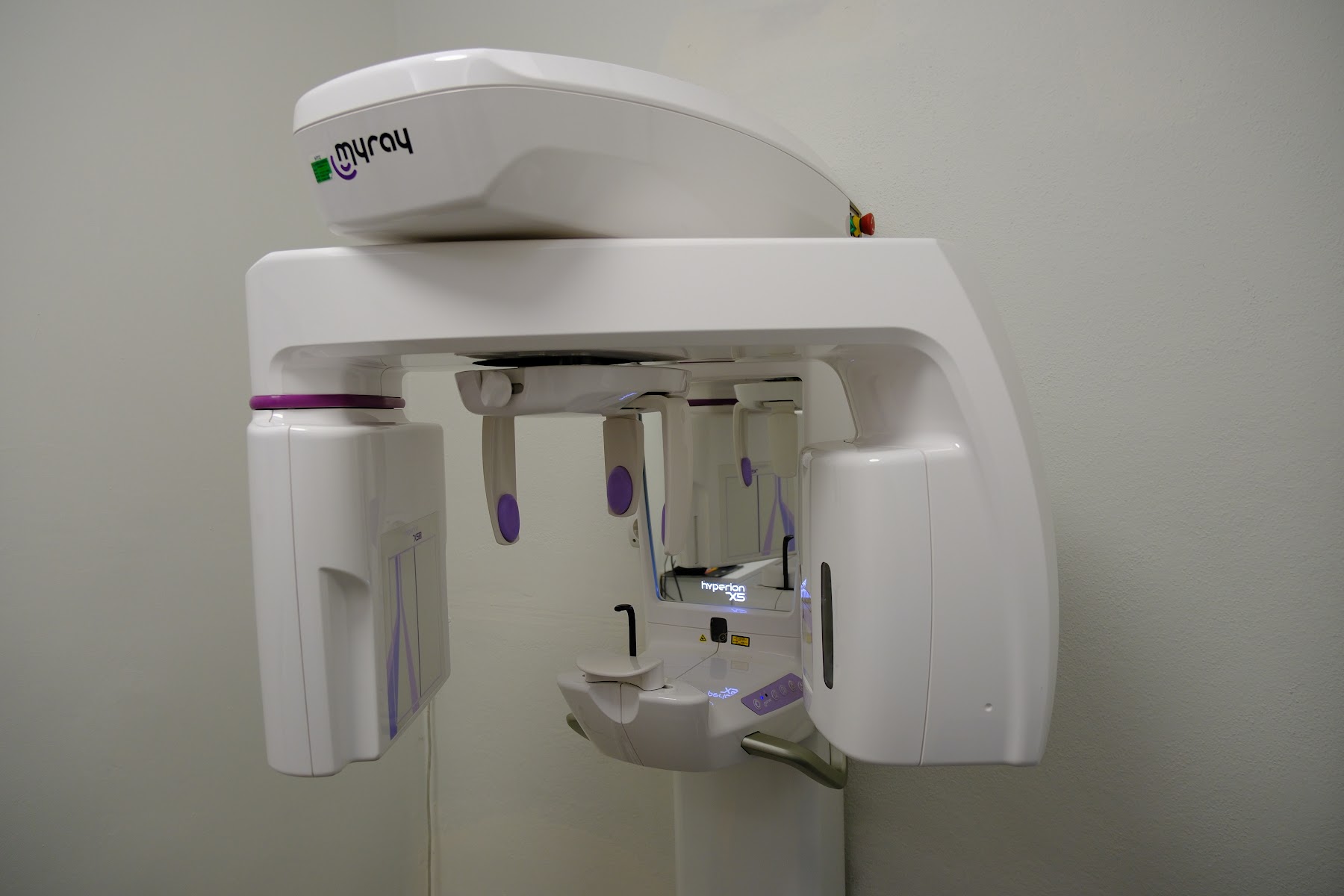
- Records. Photographs, X-rays and a digital scan of your teeth, such as an iTero digital scan, record where every tooth sits today.
- Your options. You hear whether clear aligners, metal braces or ceramic braces suit your case, and whether anything needs treating first, such as tooth decay or gum inflammation.
- The plan, in writing. Your written plan states your treatment options, a price range and the visits you would need. Your dentist also explains what treatment can and cannot change, and how long it is likely to take. If you live abroad, this is when you hear whether a schedule around your travel is realistic.
3 At the clinic · Fitting
Braces go on, or you receive your first aligners
- Fixed braces. Small metal or ceramic brackets are bonded to the front of the teeth and joined by a thin archwire. Fitting them does not normally need an injection.
- Clear aligners. Clear aligner systems such as Invisalign use a series of thin, transparent trays made from your digital scan. Small tooth-coloured attachments are often bonded to some teeth so that the trays can grip. You practise putting the trays in and taking them out.
- Making room. Crowded teeth need space to line up. Depending on your case, your dentist may widen the arch a little, smooth a small amount of enamel between some teeth, or advise removing a tooth. Your plan says beforehand which applies to you.
- Before you leave. You are shown how to clean, what to avoid eating, and what to do if a bracket comes loose or an aligner does not fit.
4 Active treatment · Regular check-ups
The long middle part, one small step at a time
Teeth are moved in small steps. With braces, your dentist adjusts or changes the wire at regular appointments. With aligners, you move on to the next tray in the series when your dentist tells you to, and your progress is checked at the clinic.
Treatment takes many months, sometimes longer, and it only stays on course if the appointments are kept. That is why orthodontics mainly suits people who live in Istanbul or travel there regularly. If you cannot come often enough, your dentist will tell you so before you start, and treatment near home is then the better choice.
5 At the clinic · End of treatment
Appliances off, retainers on
- Final check. Your dentist checks the position of your teeth and your bite, and makes small finishing corrections if they are needed.
- Braces or attachments removed. The brackets are taken off and the bonding material is polished away. With aligners, the attachments are removed in the same way.
- Retainers. Your retainers are made to fit the new position of your teeth. A retainer can be a thin wire bonded behind the front teeth, a clear removable tray, or both.
- Instructions. You are told when to wear a removable retainer and how to clean around a fixed one.
6 Retention · After treatment
Keeping your teeth where they are
After orthodontic treatment, teeth tend to drift back towards their old positions, and teeth go on shifting slightly throughout life. Retainers hold them. Wearing a retainer as your dentist instructs is a long-term commitment, not a short final phase.
Have your retainers checked from time to time, and have a broken or lost retainer replaced without delay. Routine dental check-ups and cleaning continue as usual.




 Netherlands

 Germany
 Czech Republic