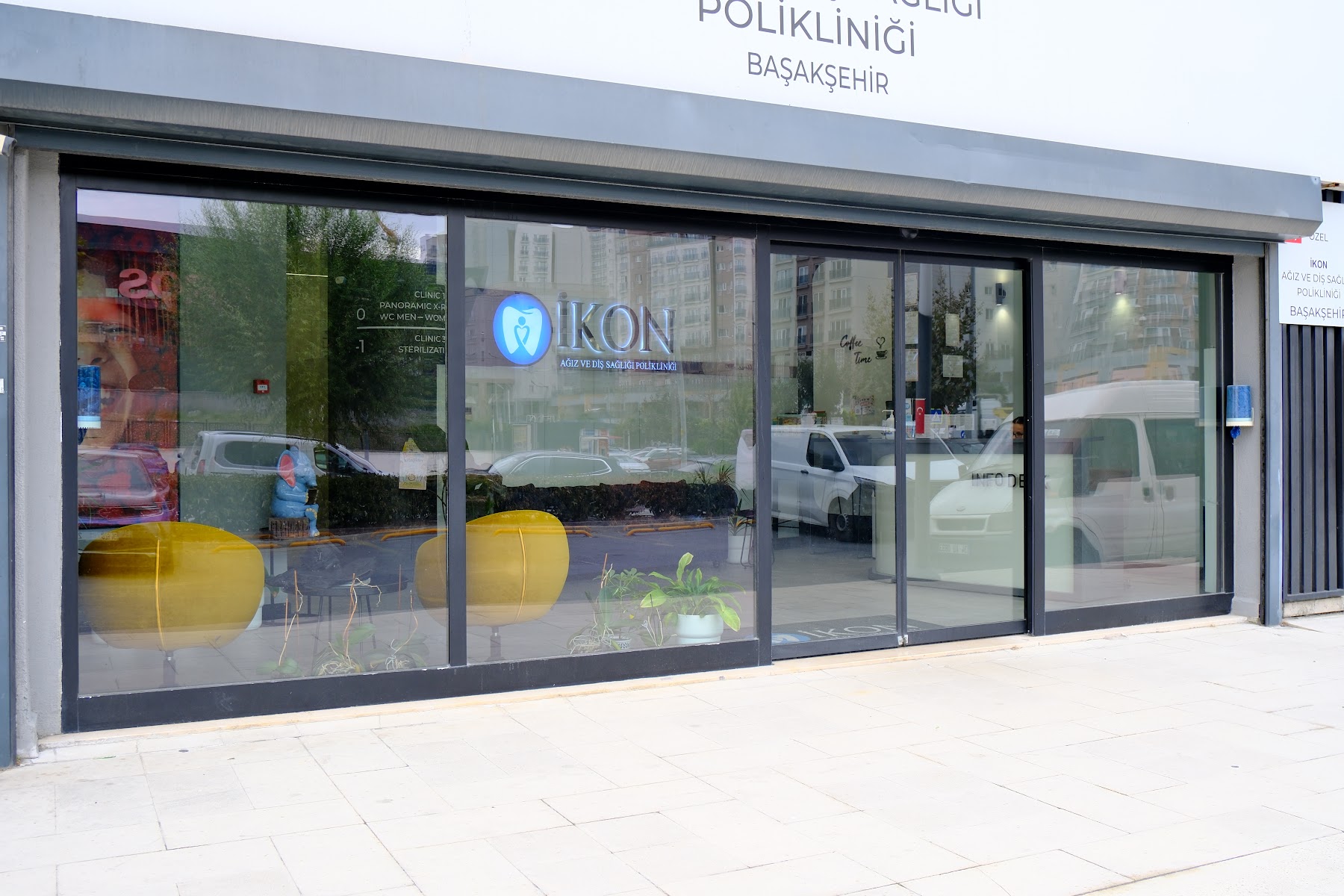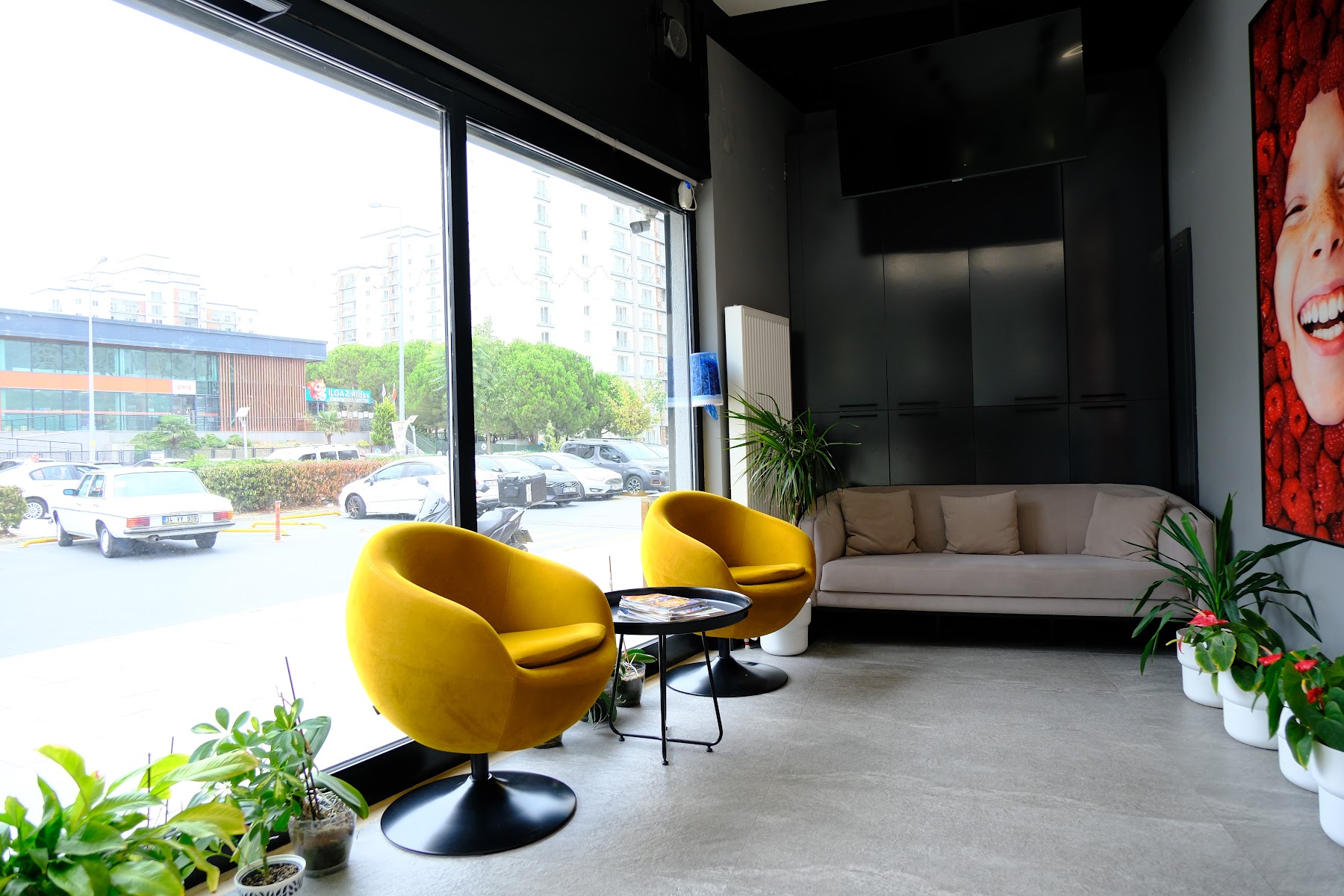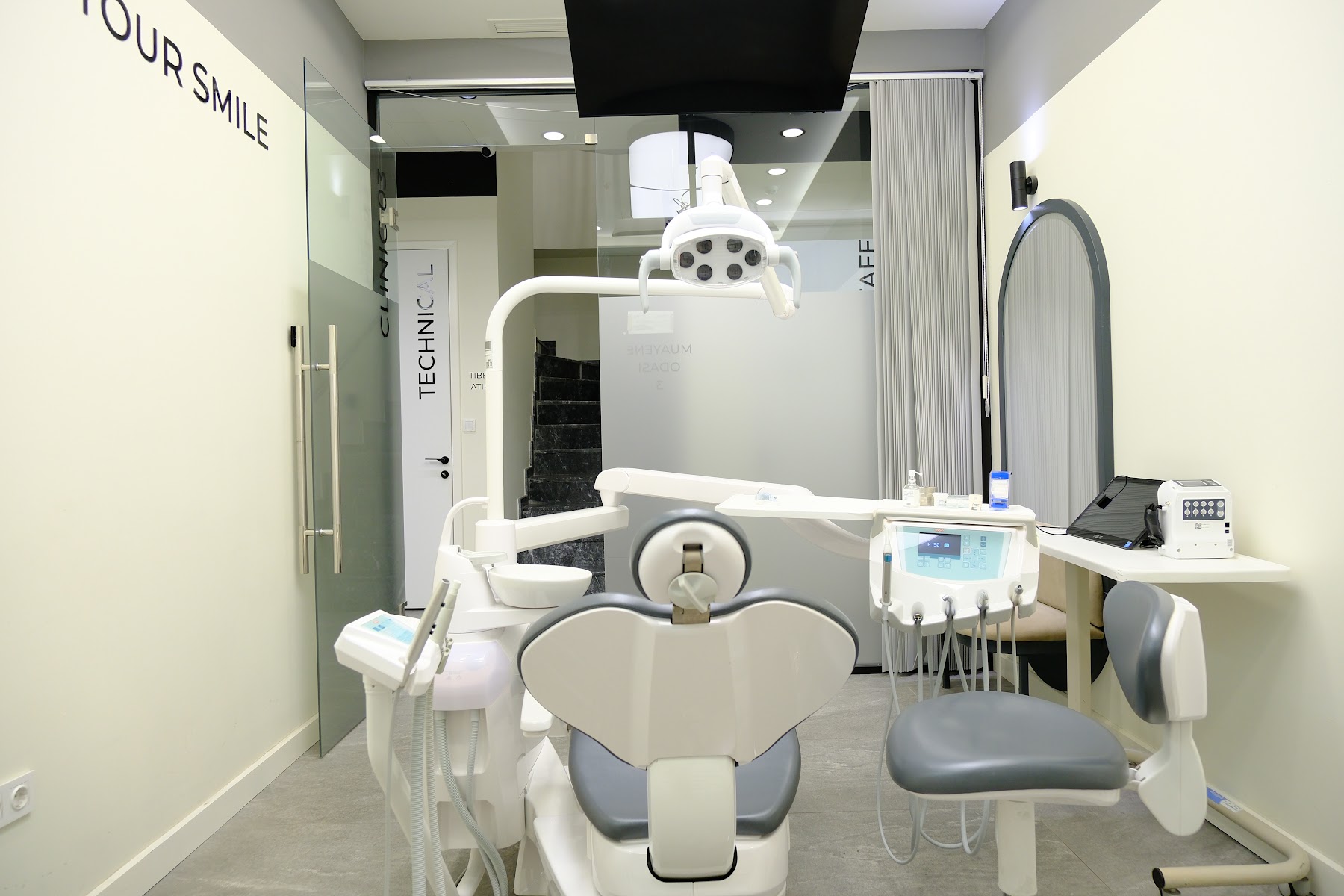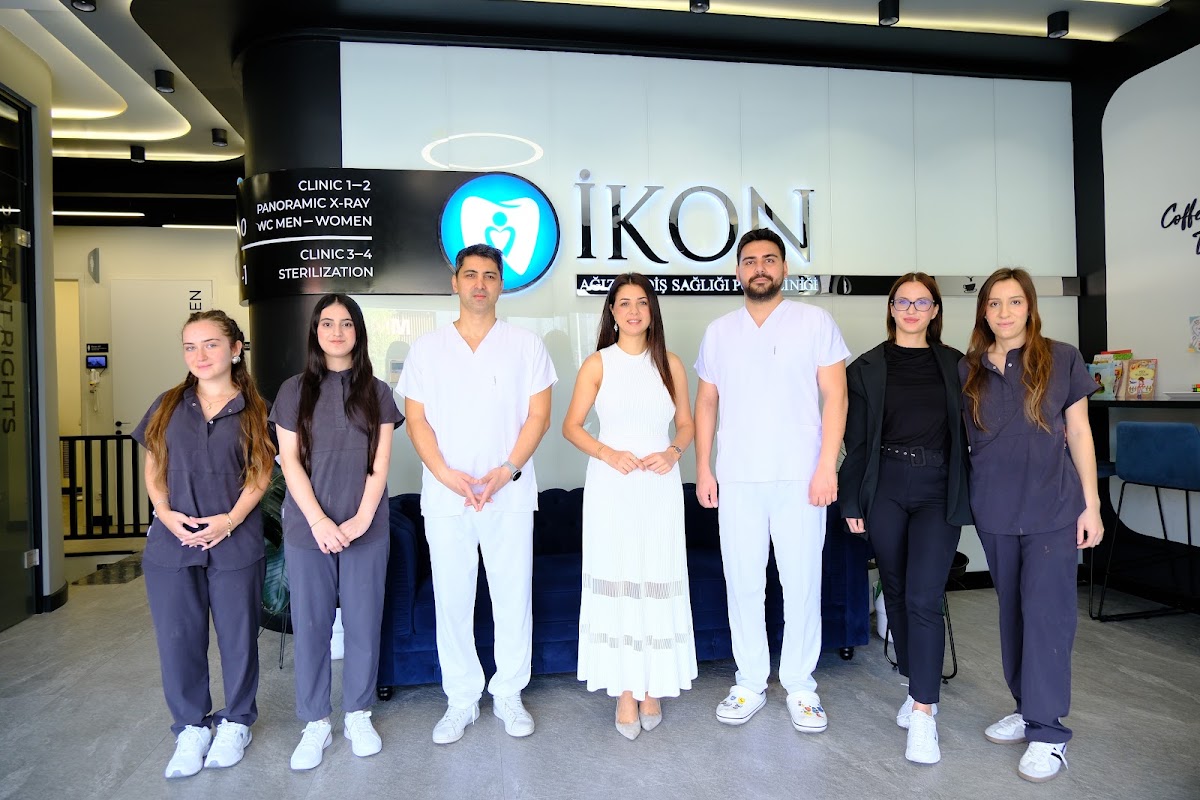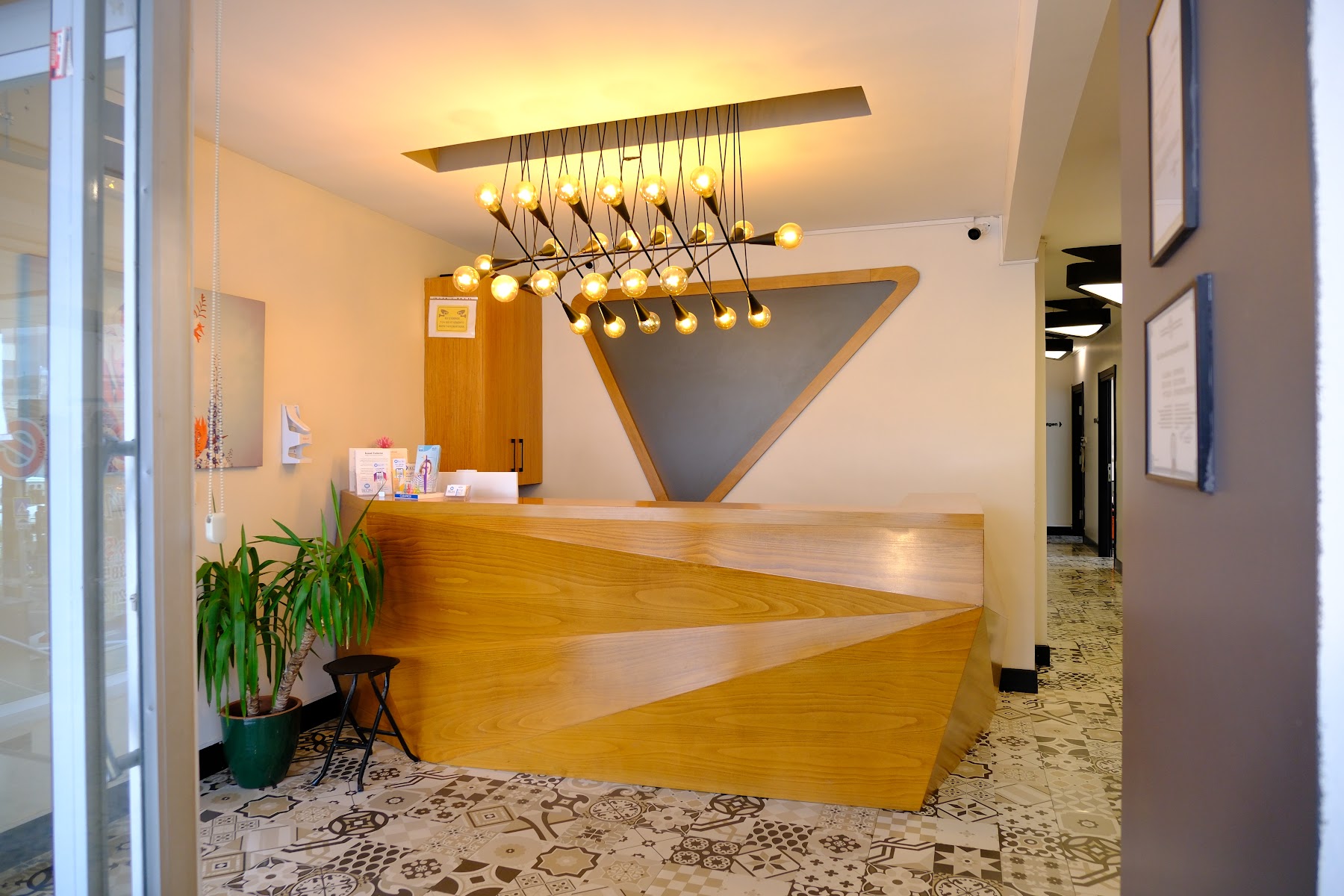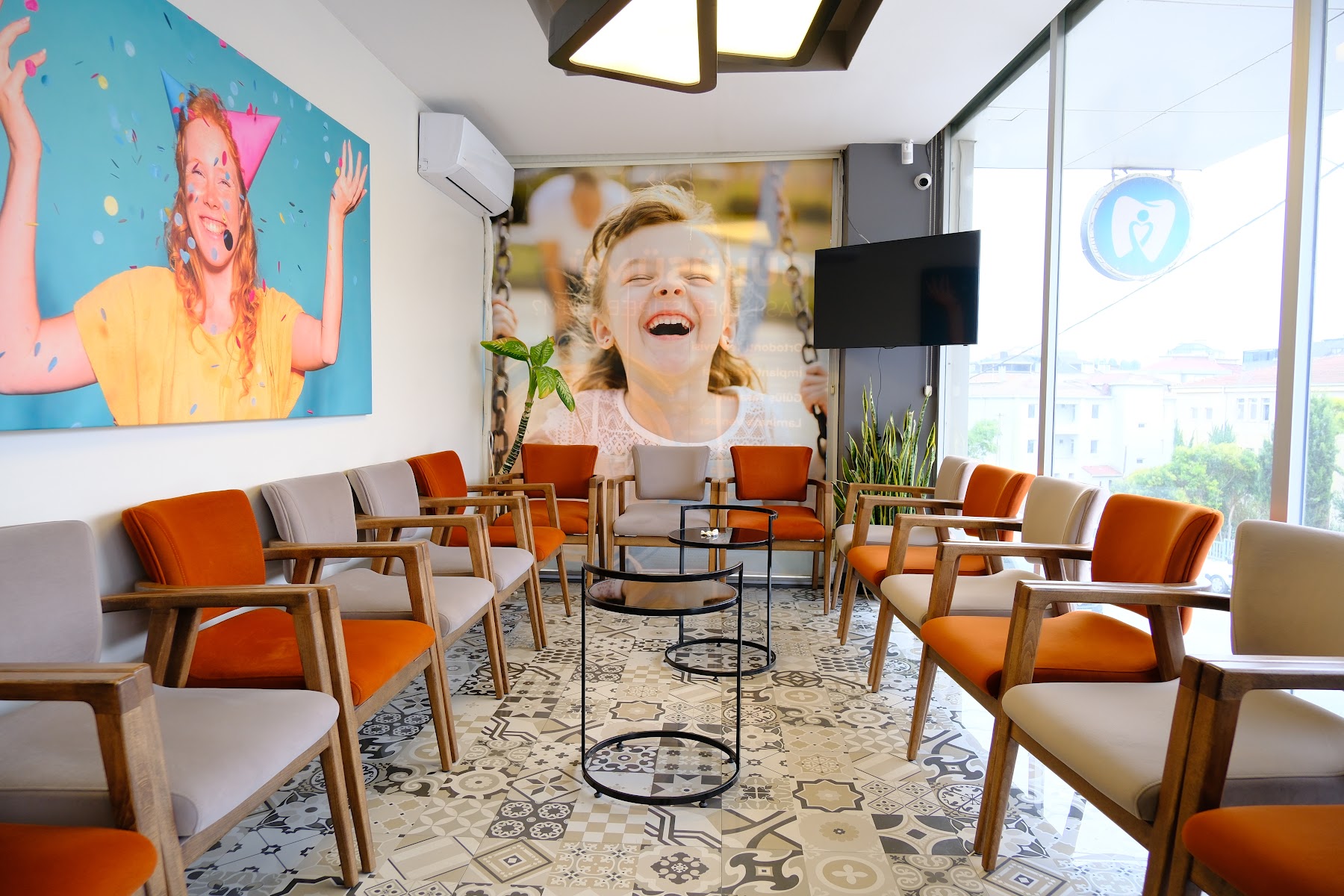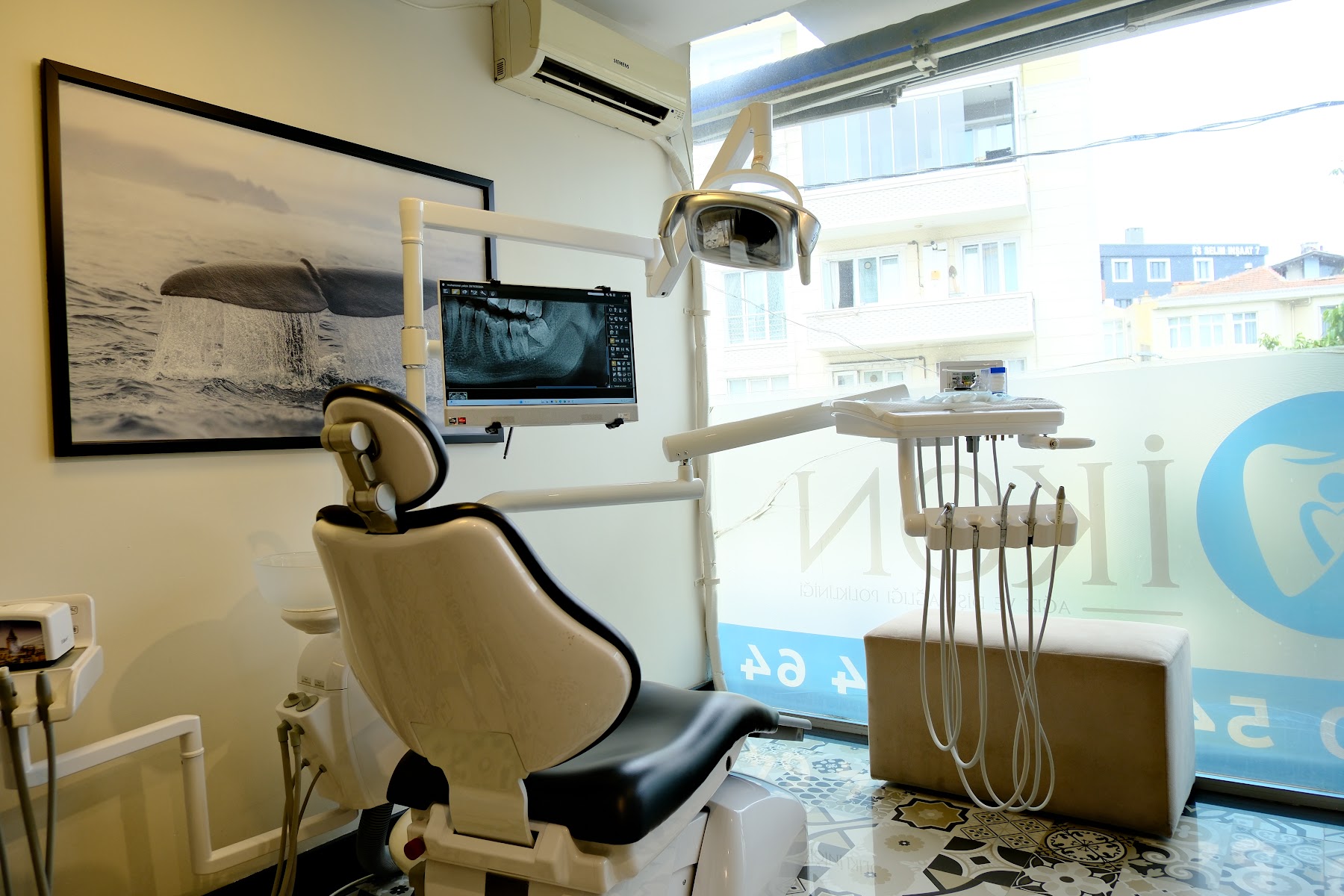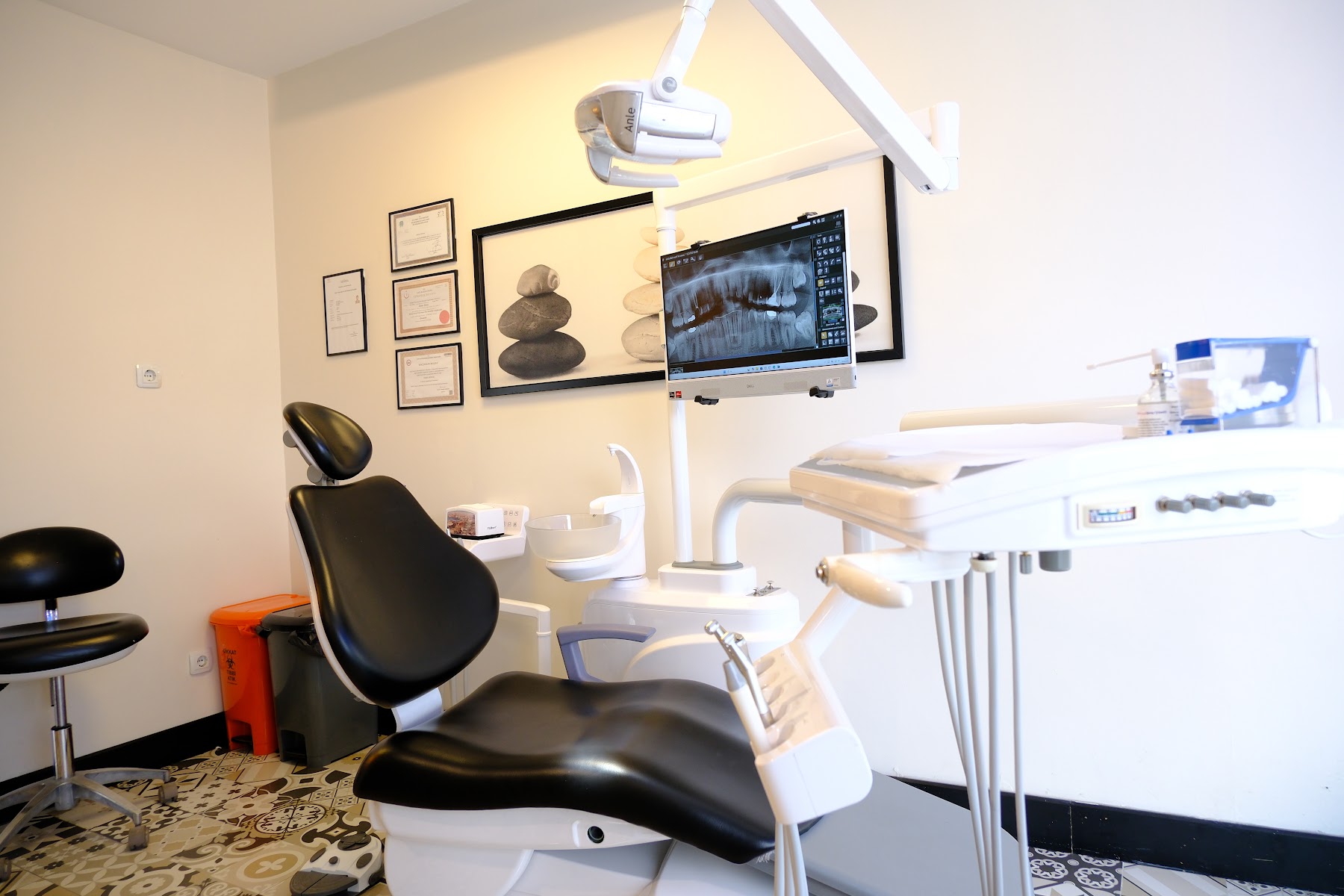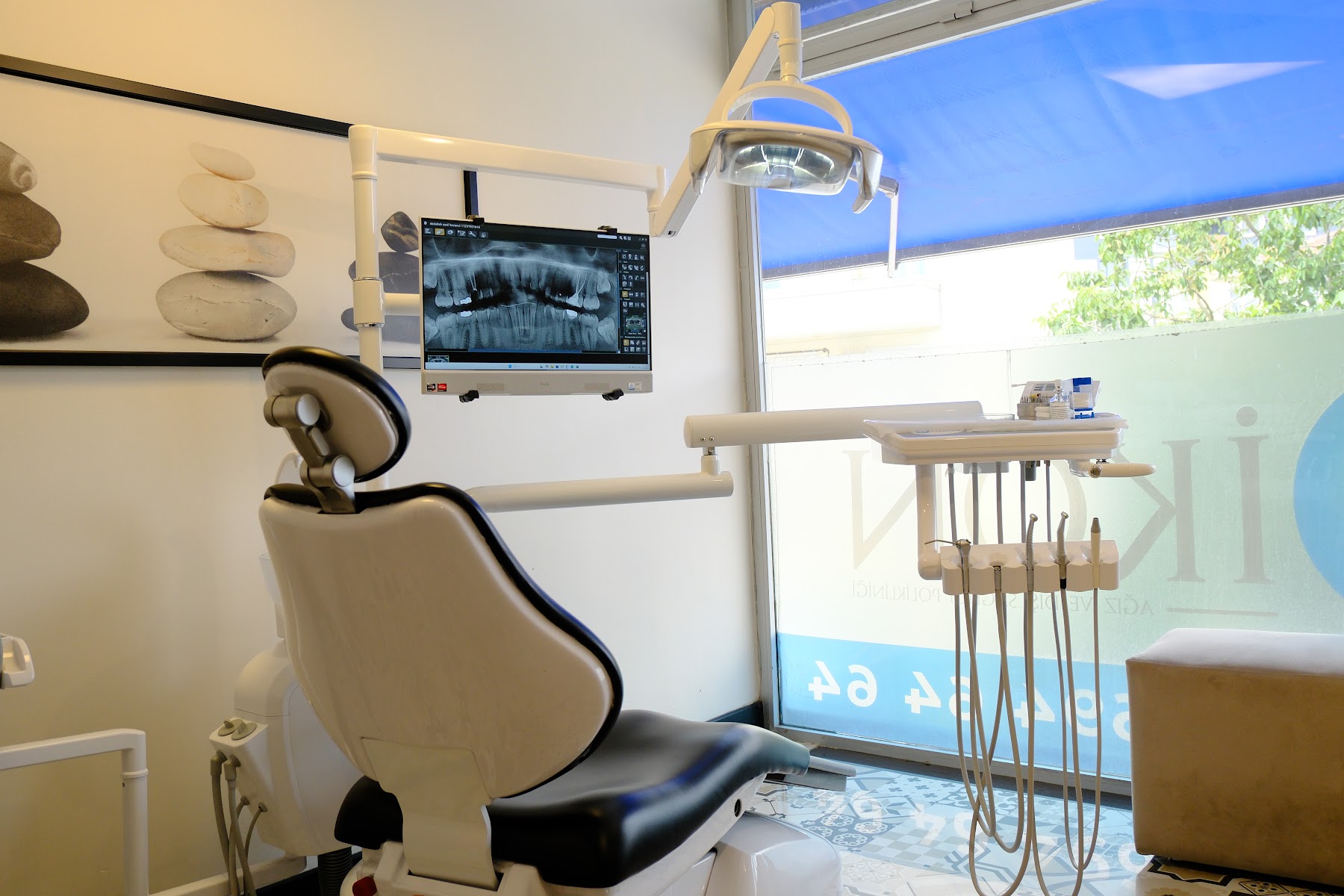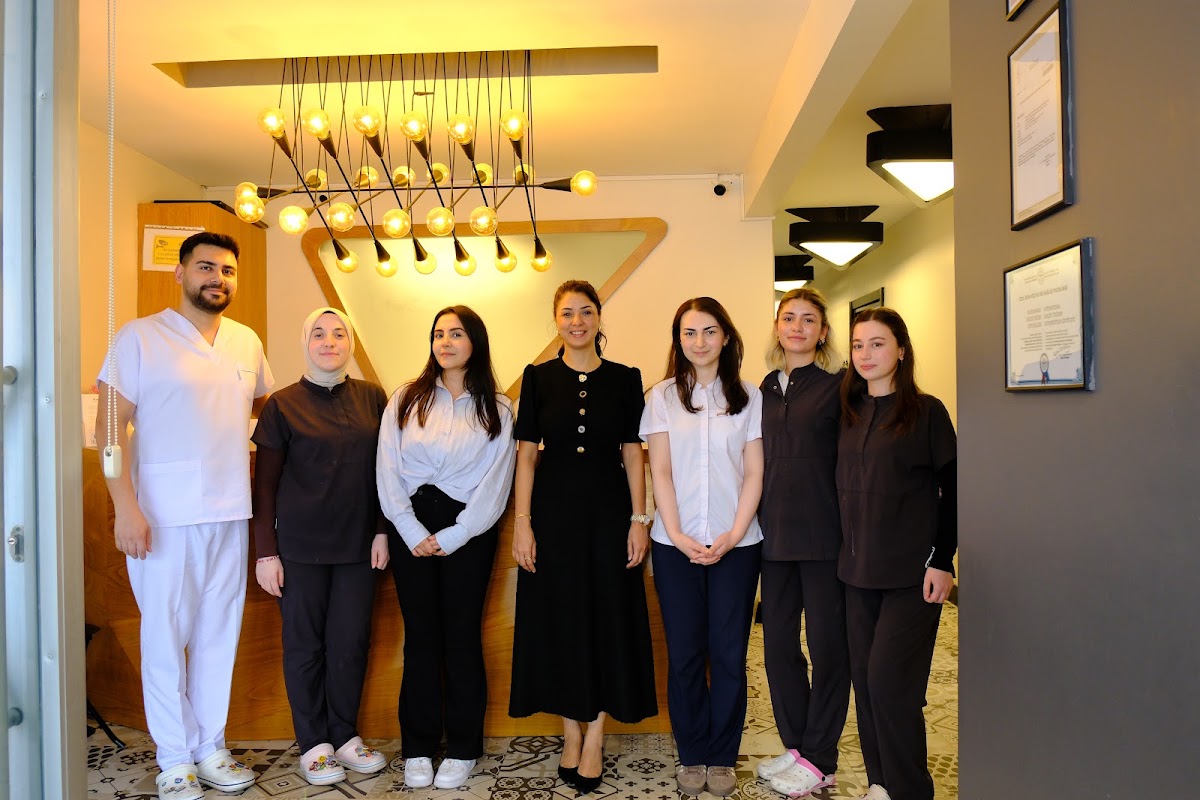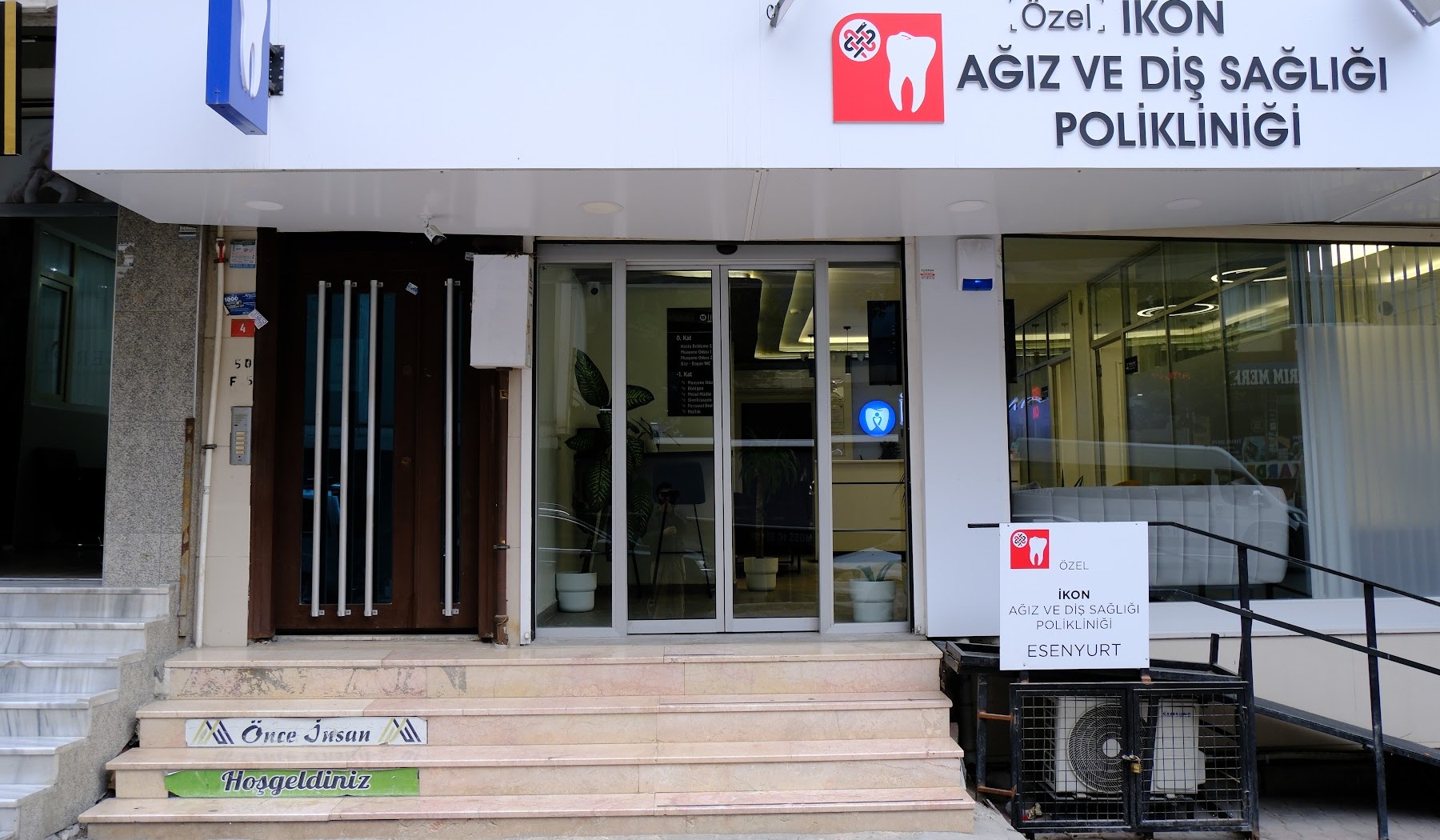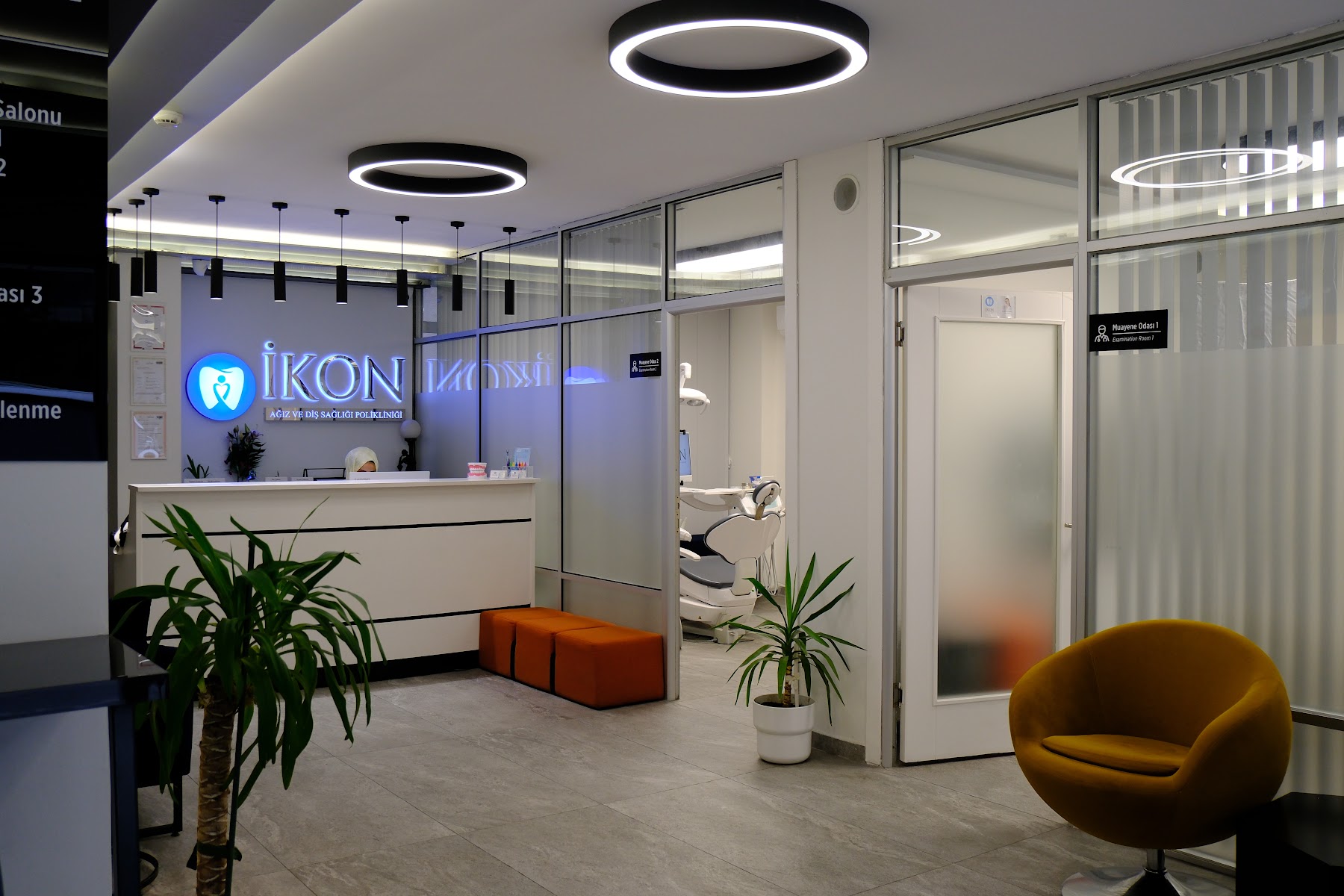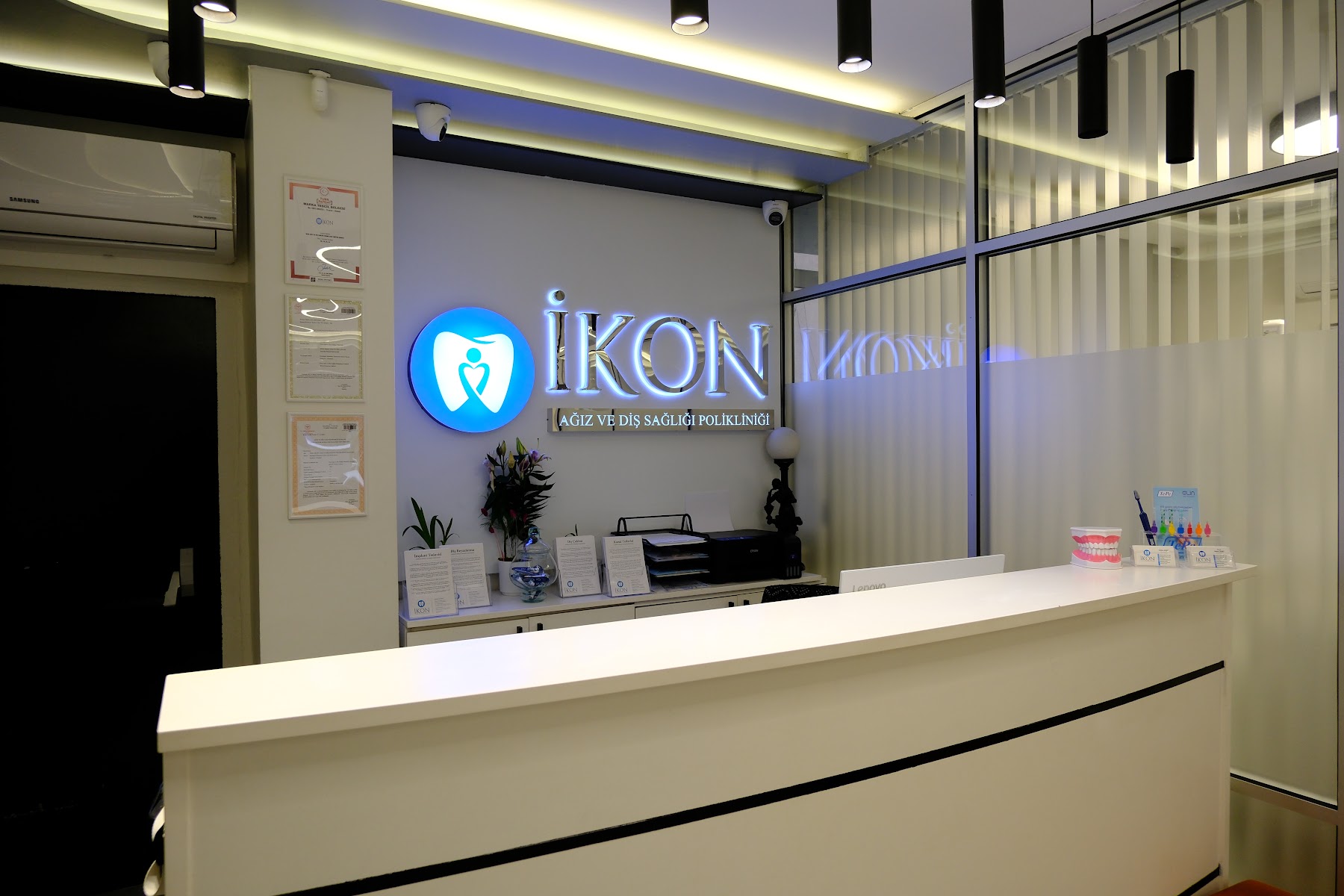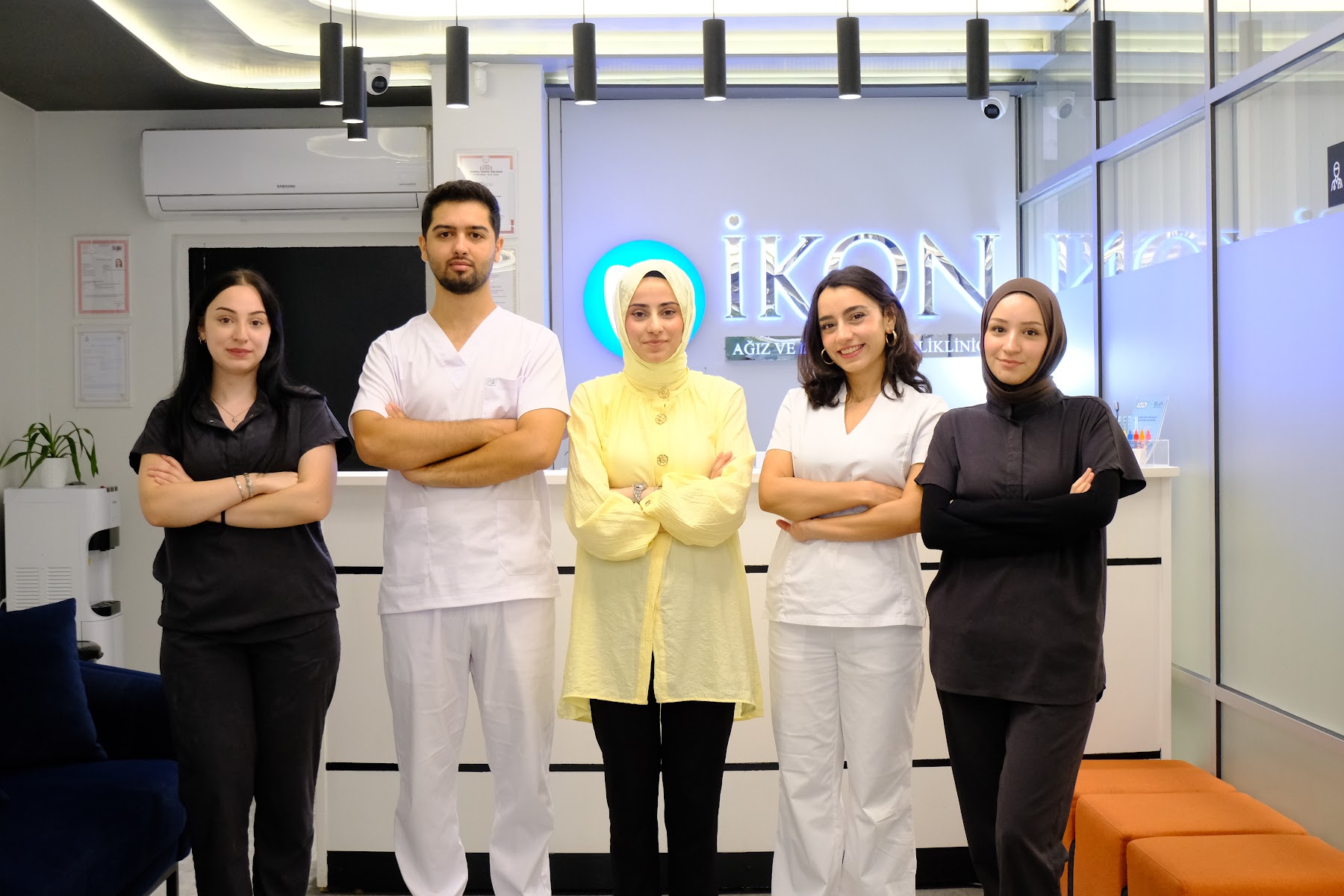

What are our three clinics like?
Three clinics in Istanbul, one standard of care. Each clinic has its own page, with every room, the address and how to book a visit.
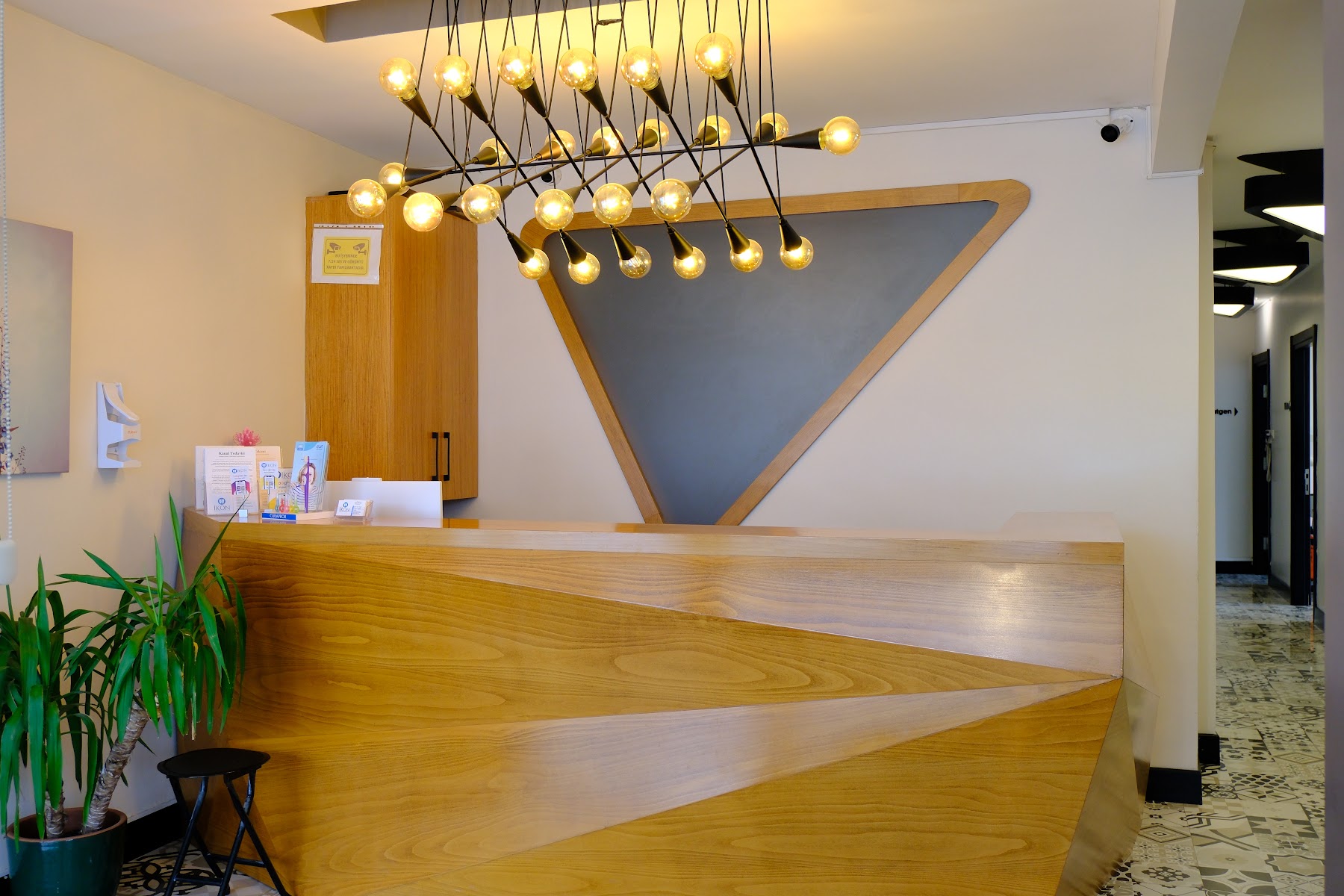 Since 2008 · Our first clinic
HadımköyArnavutköy, Istanbul
Where İkon began, with two dental chairs. The way we work today took shape here.
4.9★★★★★Google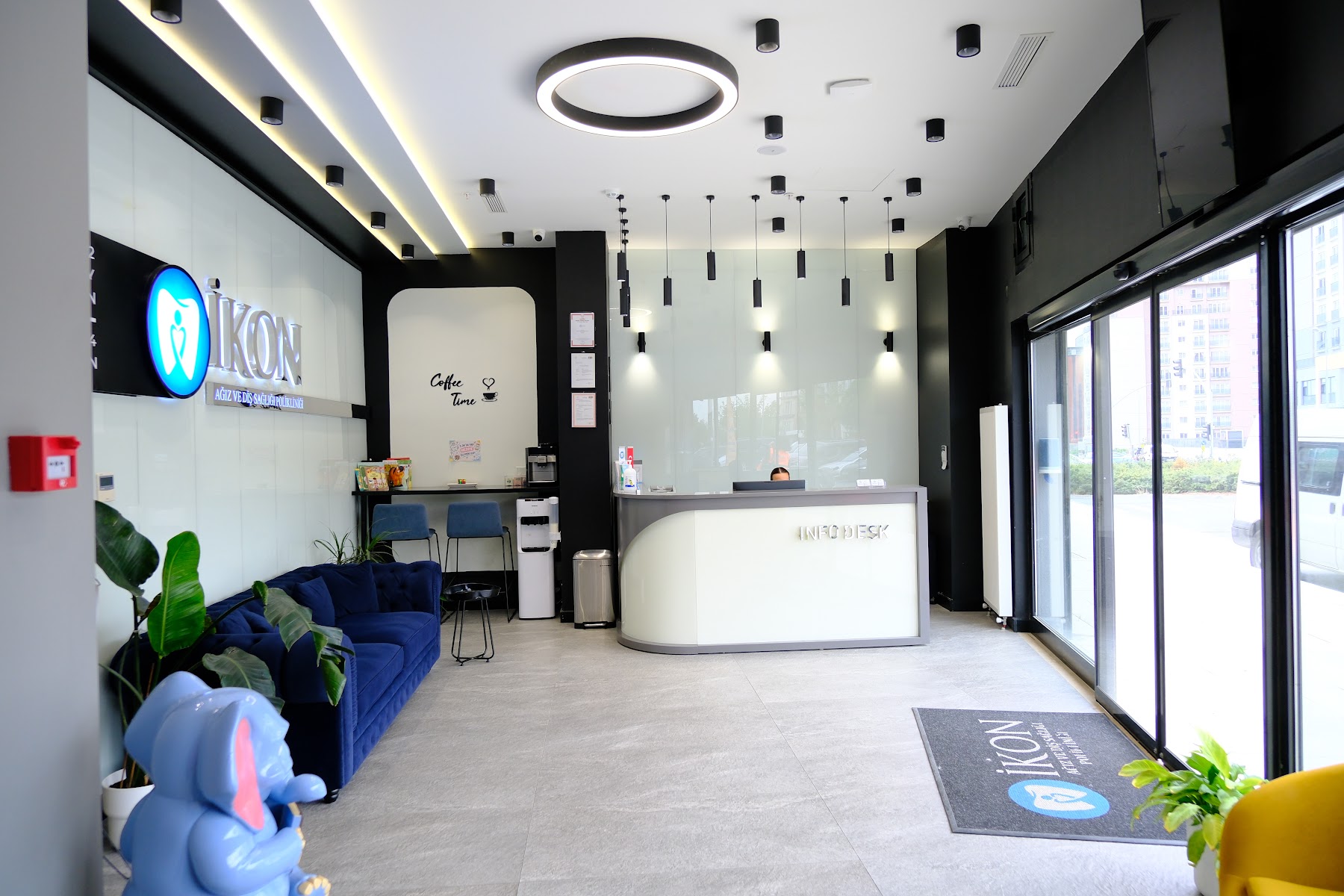 Our second clinic
BahçeşehirBaşakşehir, Istanbul
Designed for comfort, from the lounge to the treatment rooms.
4.9★★★★★Google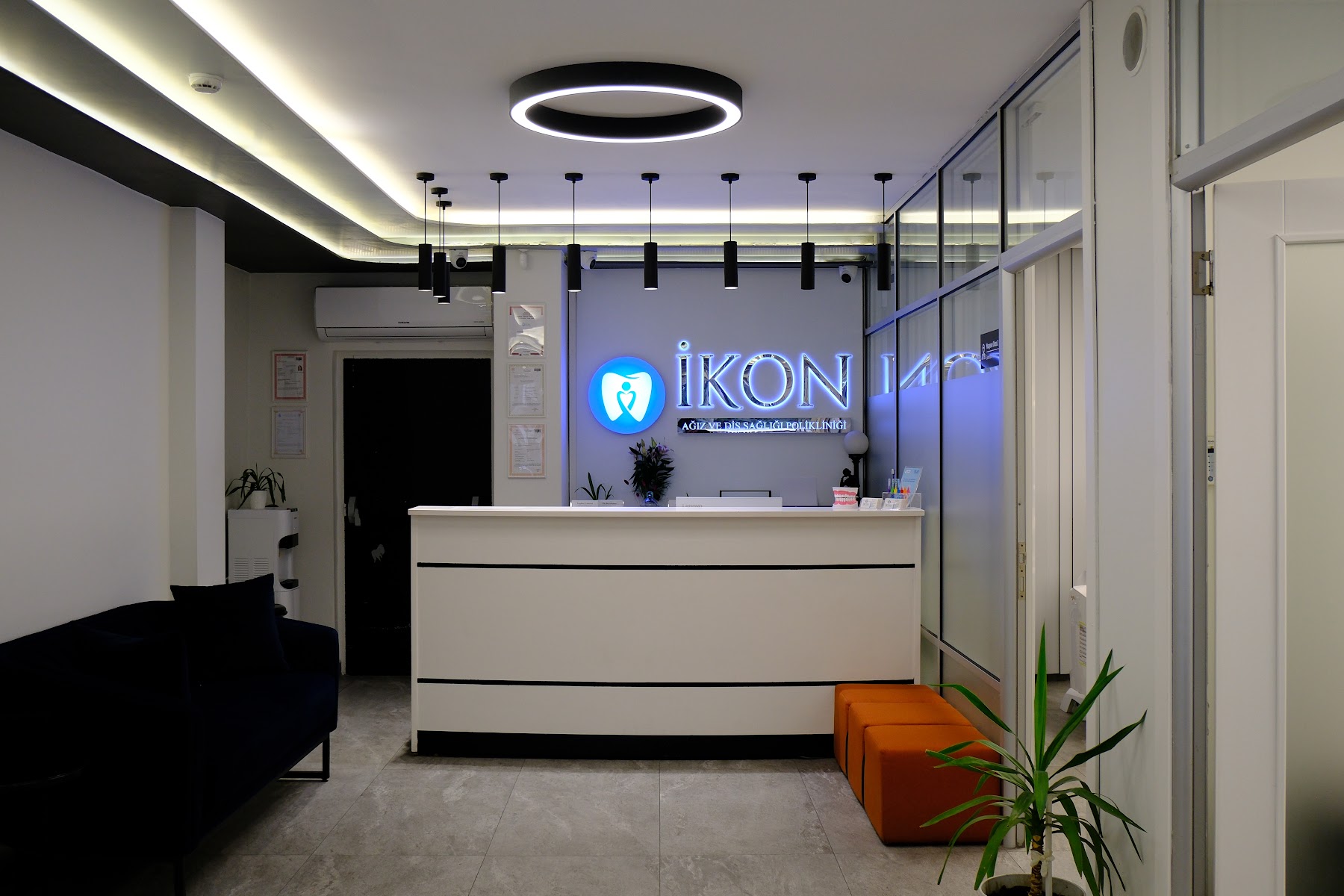 Our third clinic
KıraçEsenyurt, Istanbul
The same approach and technology, for a wider part of the city.
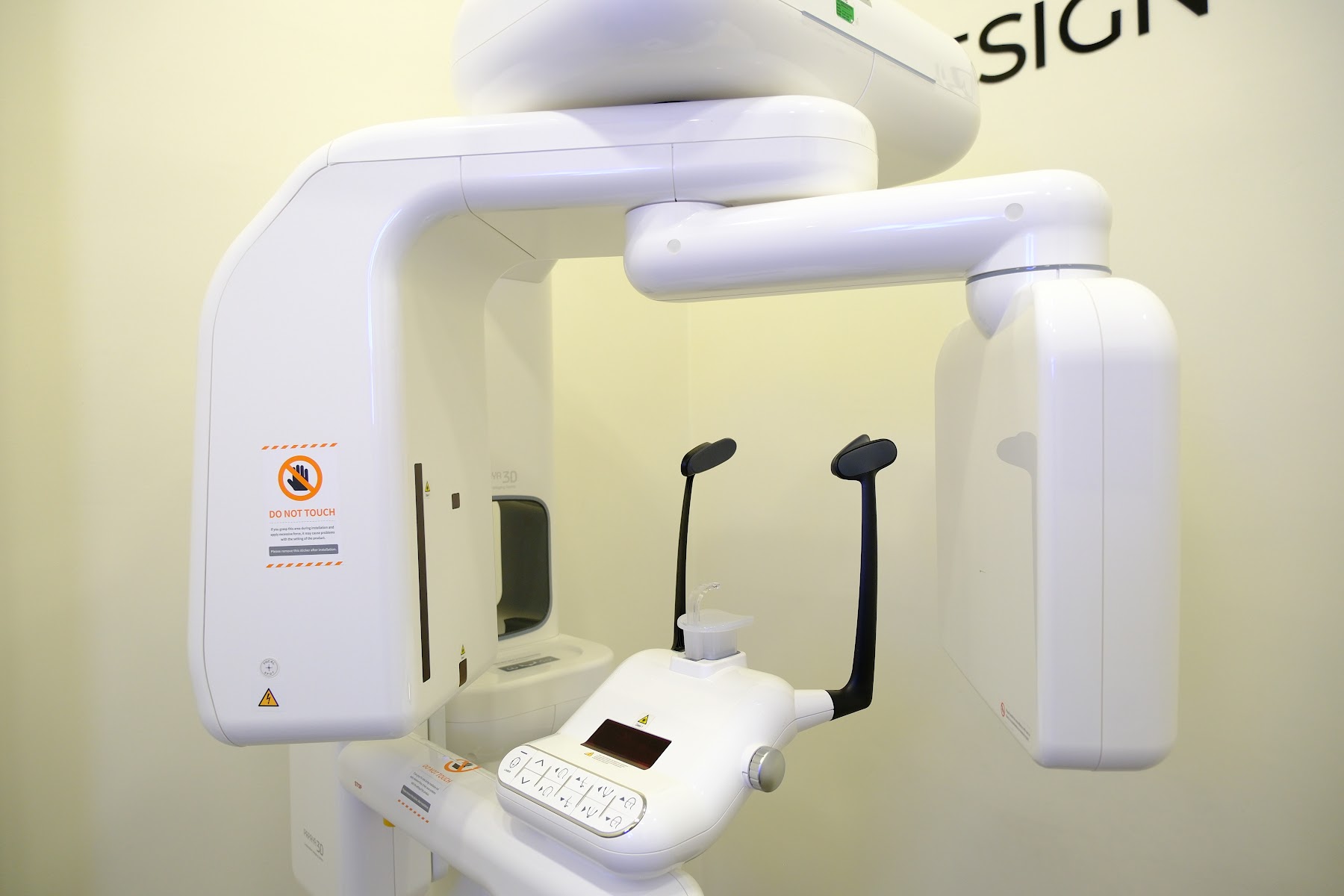
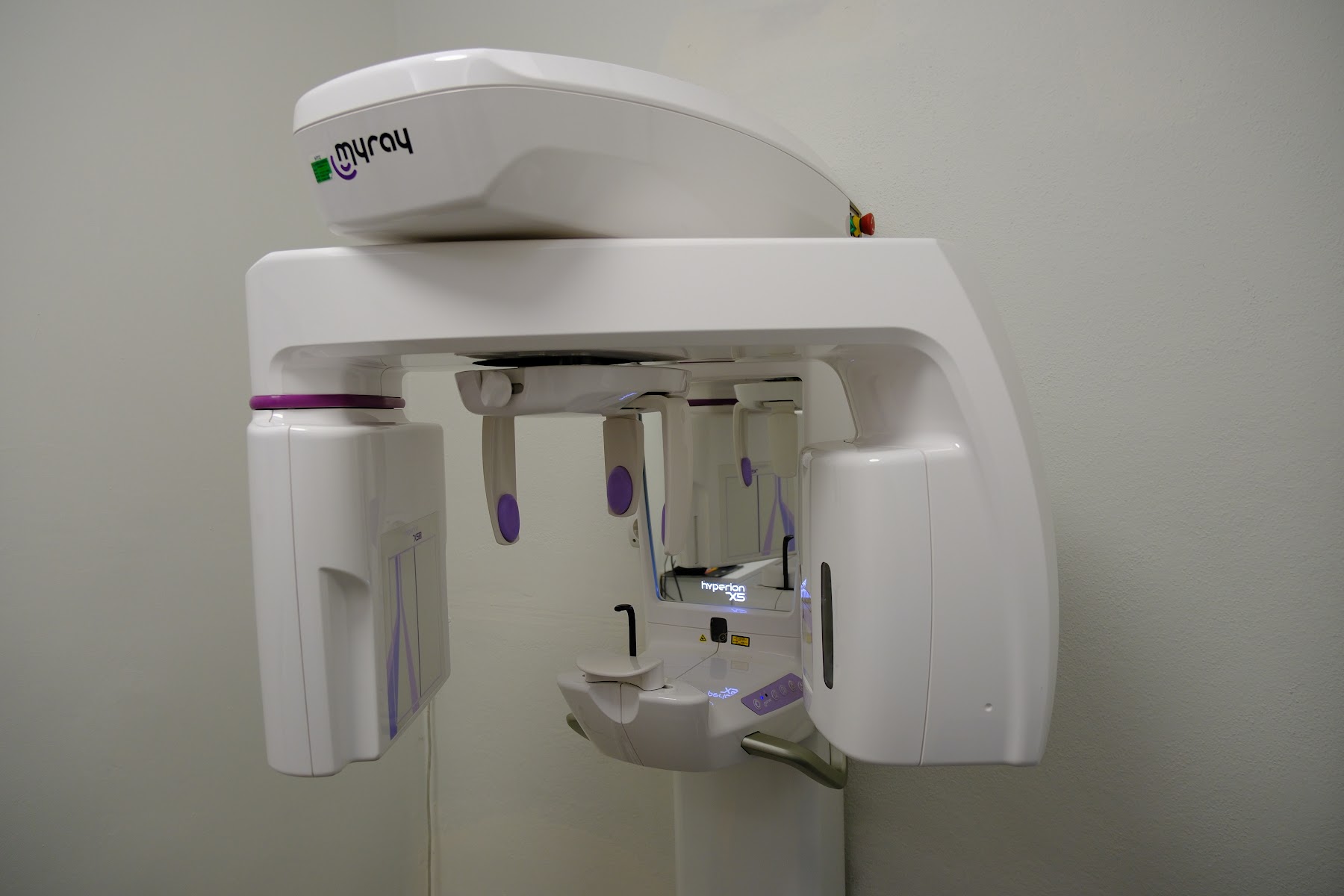
5.0★★★★★GoogleAre X-rays and 3D scans taken at the clinic?
Yes. An accurate diagnosis comes before any plan, so our clinics take their own images. Your dentist chooses which ones your case needs.
- CBCT (3D tomography) Shows your jawbone in three dimensions, slice by slice: how much bone there is, where it ends and what lies next to it. It is the key image for planning implants, finding buried teeth and planning jaw surgery.
- Panoramic X-ray One image of both jaws, all your teeth, the jaw joints and the sinuses, used as an overview.
- Periapical X-ray A close, detailed image of a single tooth, its root and the bone around it, taken with a small digital sensor in your mouth.
- Bitewing X-ray An image of the back teeth biting together, which shows decay between teeth and early bone loss before you would notice them.
Will I need a mouthful of impression paste?
In place of the tray of impression paste many people remember, our clinics use intraoral scanners. A small wand is moved over your teeth and builds a 3D digital model of your mouth.
- Intraoral scanners (iTero Lumina and 3Shape TRIOS) Scan your teeth and gums optically and turn them into a 3D model, without impression trays or paste.
- Intraoral camera A small camera that shows you, live on a screen, what your dentist sees in your mouth, and keeps a photo record of your case.
- 3D resin printers Print from liquid resin, layer by layer: models of your teeth, surgical guides for implants, temporary crowns and night guards.
- Washing and curing units Clean each printed part and harden it under UV light, so it reaches its full strength before it is used.
What is a surgical guide?
A surgical guide is a thin printed template that sits over your teeth or gums during implant surgery. It is designed from your 3D scan, so each implant goes in at the position and angle that were planned on the computer.
What is used for root canal treatment?
Root canal treatment cleans the inside of a tooth so it can be kept. Three devices help your dentist do it precisely:
- Apex locator Finds the exact end of the root electronically, so the canal is cleaned along its full length and no further.
- Endodontic motor Turns the fine nickel-titanium files that shape the canal at a controlled speed and force.
- Ultrasonic activation Uses sound waves to move the cleaning solution through the canal, helping to remove bacteria from places files cannot reach.
What is used for implant surgery and fine work?
- Surgical motor Prepares the place for an implant in the bone with controlled speed and force, cooled with sterile saline to protect the bone.
- Surgical suction Removes fluid and debris during surgery and routine treatment, so your dentist has a clear view.
- Electrosurgery and cryotherapy units Use controlled heat or cold to cut soft tissue, shape the gum line and control bleeding.
- Magnifying loupes with LED headlights Optical lenses fitted to your dentist's glasses, with a focused, shadow-free light, for detailed work on small surfaces.
Implant treatments are explained on our pages for single and multiple implants and All-on-4.
Why does my dentist photograph my teeth?
Photos are part of planning, especially for a smile makeover. Your dentist studies the shape, colour and proportions of your teeth and smile from them, and they become the record of your case from the first visit to the follow-up.
- Camera with a macro lens A 100 or 105 mm macro lens takes detailed photos inside and outside the mouth, for smile design and for following your case.
- Ring and twin flash Even light on the teeth, so photos taken at different visits can be compared fairly.
- Intraoral camera A small camera that shows you on a screen what your dentist sees in your mouth.
How photos guide the design of new teeth is explained on our smile makeover page.
How are instruments sterilised?
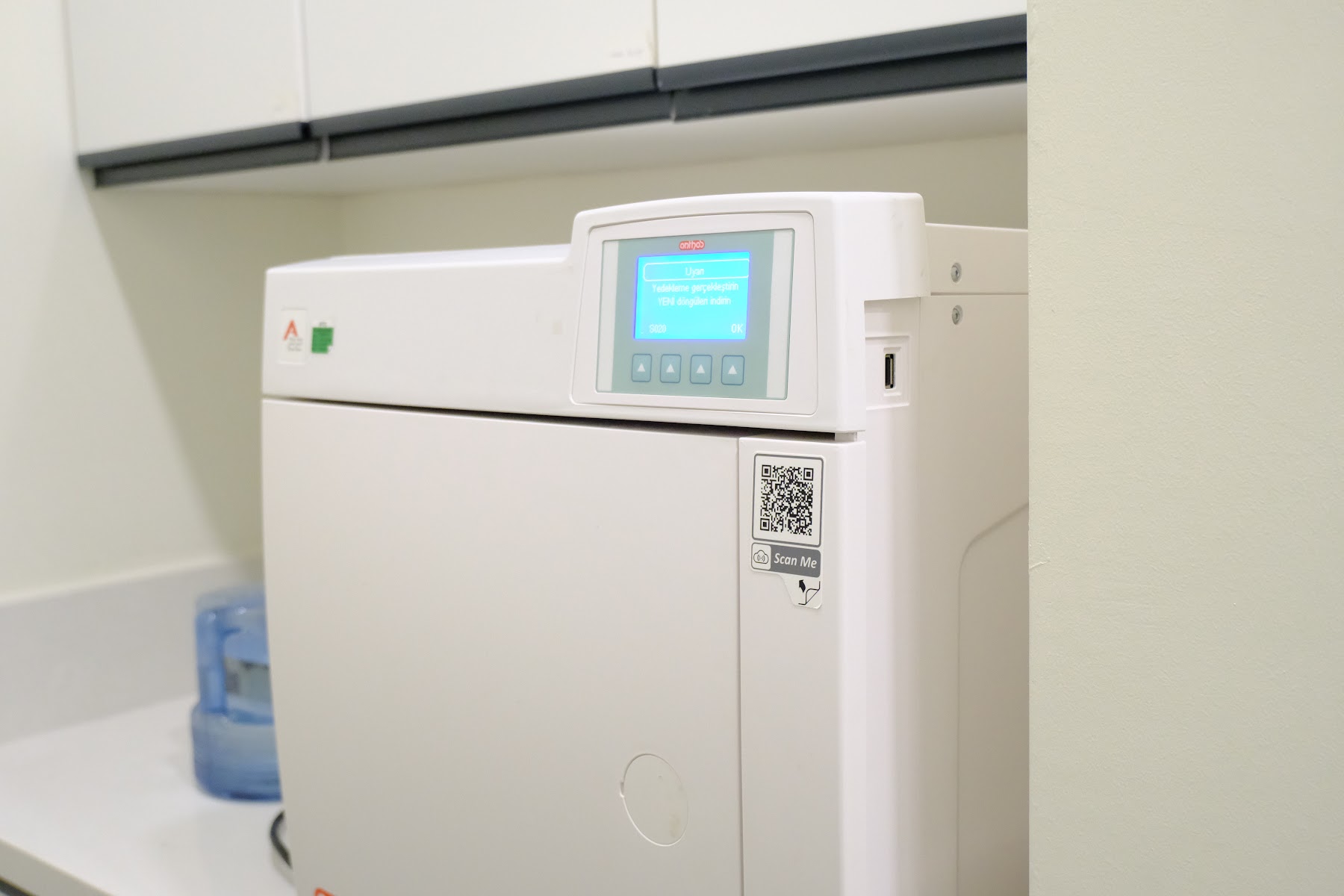
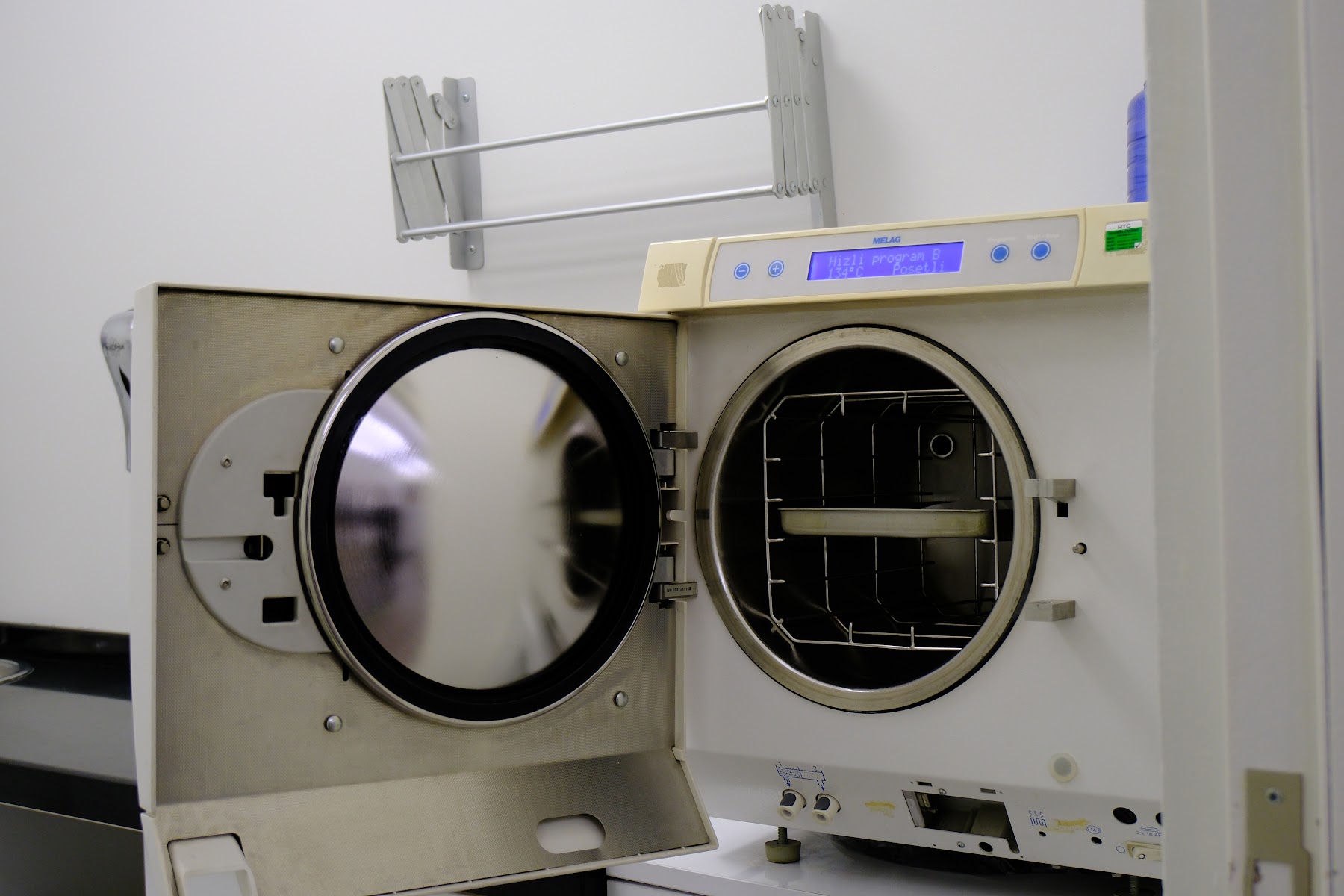
Hygiene is the part of dentistry you cannot see, so here is what happens to every instrument between patients.
- Ultrasonic cleaning bath Removes traces of tissue and debris from instruments with sound waves, before sterilisation.
- Handpiece cleaning and oiling unit Cleans and oils the inside of the drills automatically.
- Pouch sealer Heat-seals instruments into pouches, so they stay sterile until they are used.
- Class-B autoclave Sterilises surgical and pouched instruments with high-pressure steam; its vacuum stage lets the steam reach every surface, inside and out.
- HEPA air purifiers and UV-C lamps Filter the air in the clinic and disinfect rooms and surfaces.
What will I sit in?
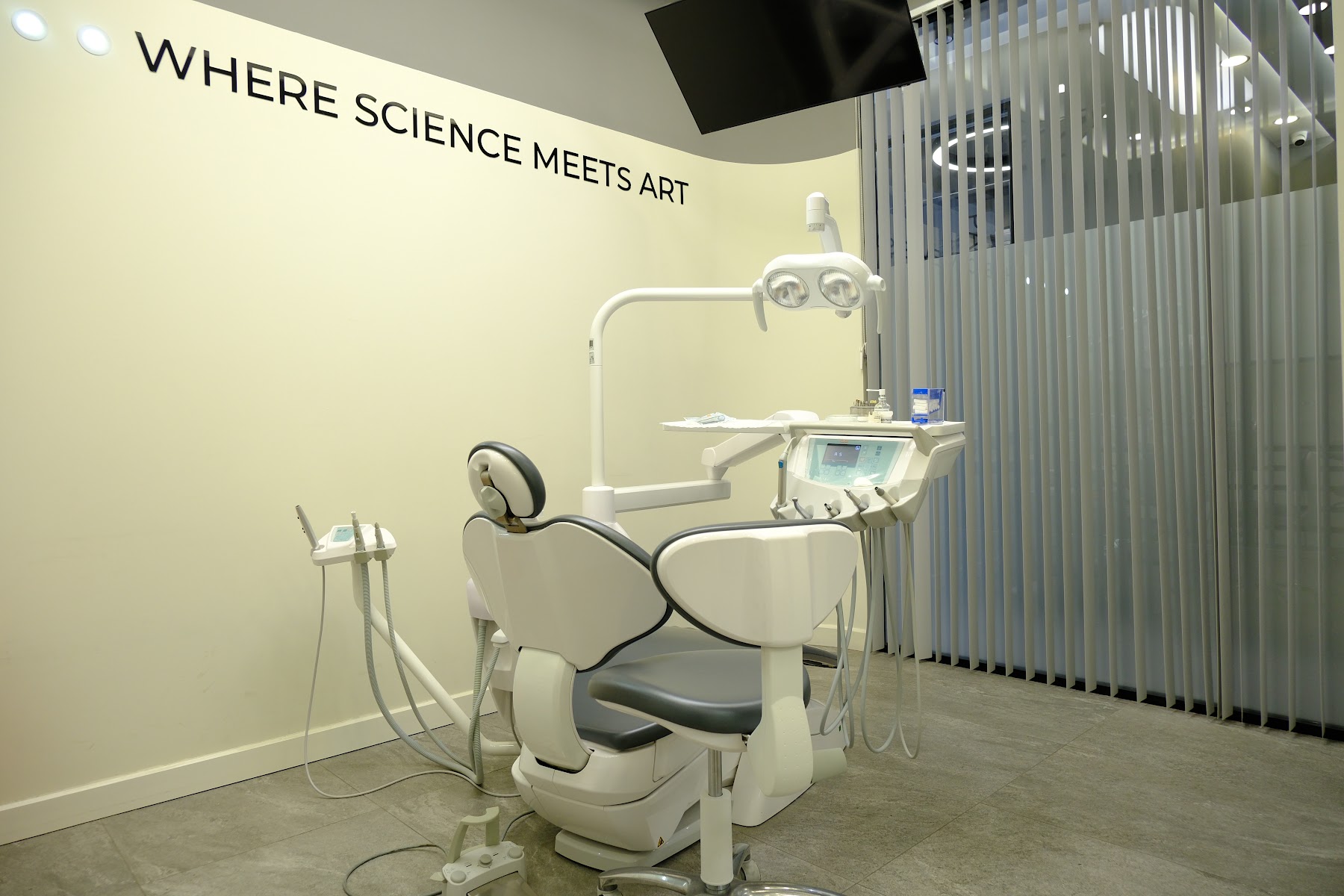
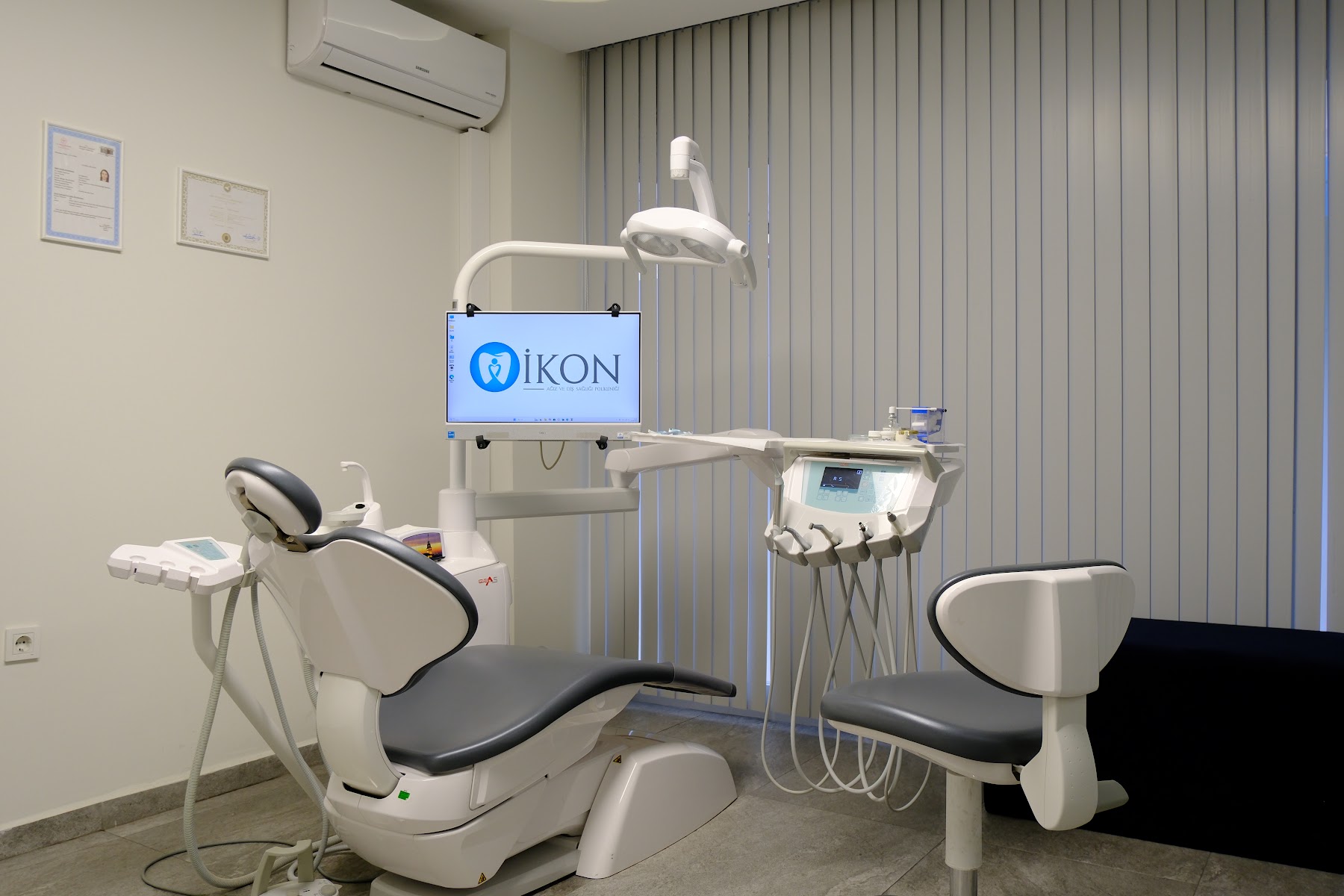
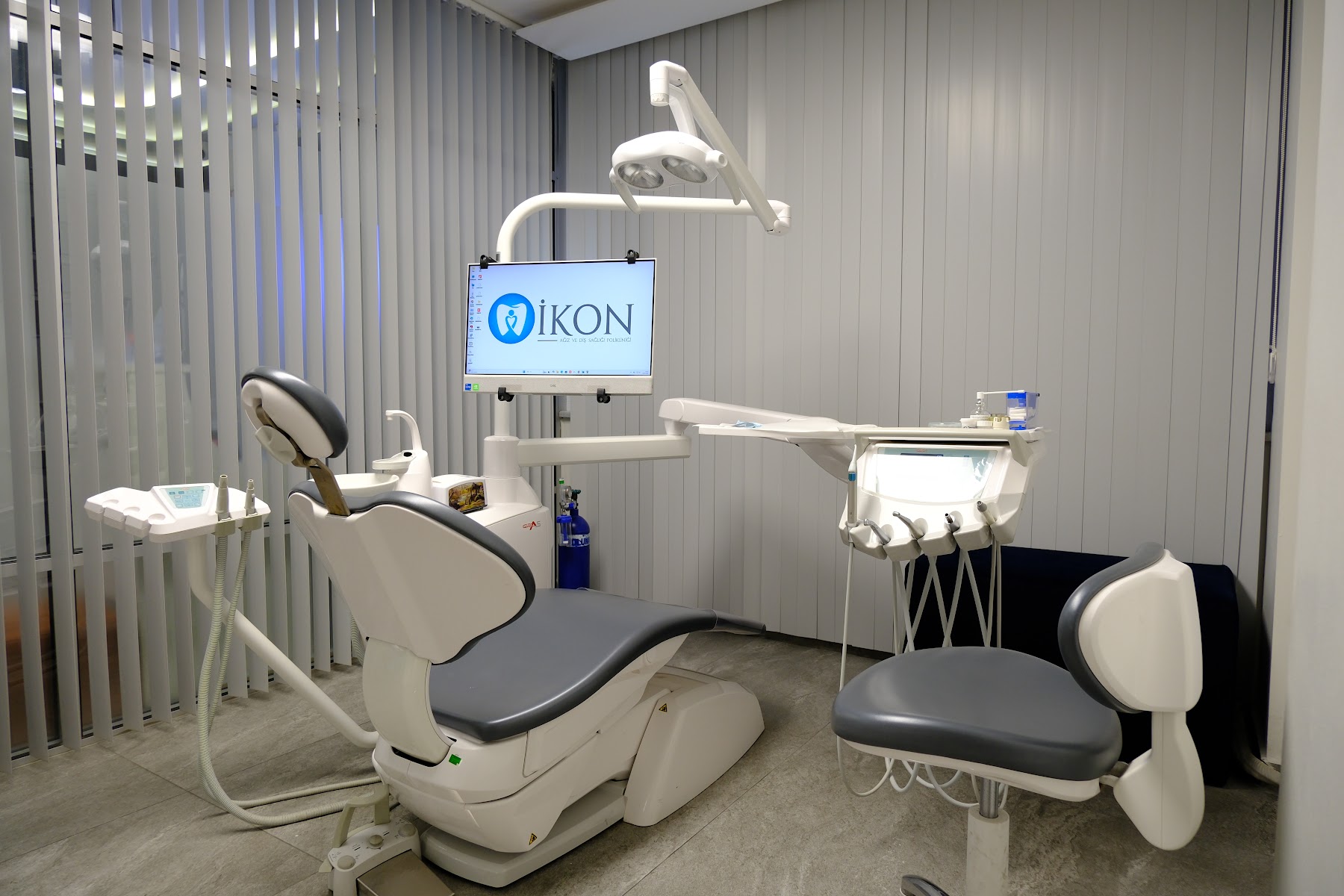
Our treatment rooms use Anthos and Stern Weber dental units: the chair, the light and the instrument tray your dentist works from. Dürr Dental compressors supply clean, dry, oil-free air for the instruments and the air and water spray.





Is the clinic authorised to treat patients from abroad?
Yes. İkon holds the International Health Tourism Authorisation Certificate of the Republic of Türkiye Ministry of Health, for its Başakşehir (Bahçeşehir) and Hadımköy clinics. The certificate shown here is for Başakşehir, No. ST-4902.
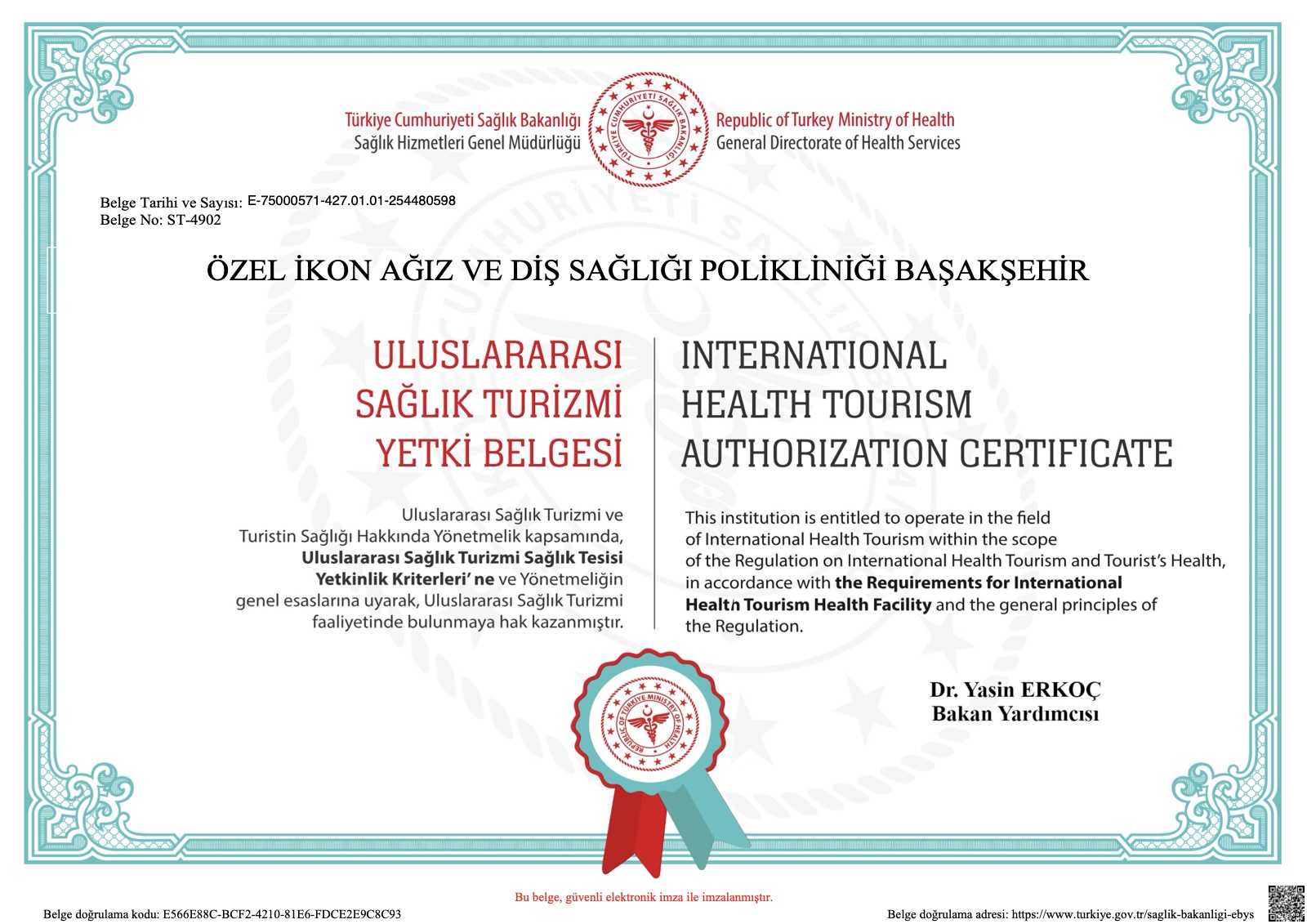
What the authorisation means for you, and how treatment from abroad works, is on our page for international patients.
Frequently asked questions
Will I need a 3D scan (CBCT)?
It depends on your treatment. For implants, buried teeth and jaw surgery a 3D scan is the key image for planning; for other treatments a panoramic or intraoral X-ray may be enough. Your dentist decides at your examination.
Can I send X-rays I already have?
Yes. A recent panoramic X-ray, or clear photos of your teeth, is enough for your free first assessment. Your dentist takes the images your case needs at the examination in Istanbul.
Do you use impression paste?
Our clinics use intraoral scanners (iTero Lumina and 3Shape TRIOS), which build a 3D model of your mouth without trays of paste.
Will I be able to see what the dentist sees?
Yes. The intraoral camera shows your teeth live on a screen, and your dentist goes through your X-rays and scans with you, so you understand the reason for each step.
How do I know the instruments are clean?
Instruments are cleaned in an ultrasonic bath, sealed in pouches and sterilised in a class-B autoclave. The air in the clinic is filtered with HEPA purifiers and rooms are disinfected with UV-C lamps.
Where are the clinics?
In Istanbul: Hadımköy (Arnavutköy), Bahçeşehir (Başakşehir) and Kıraç (Esenyurt). For patients from abroad, the Bahçeşehir clinic's address and map and our international patient line are on our contact page.